|
Caring for Antique Washstand Sets
by
Bob Brooke
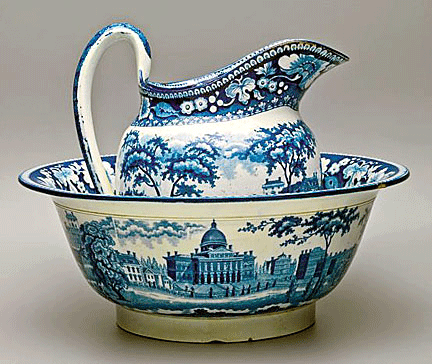 Wash
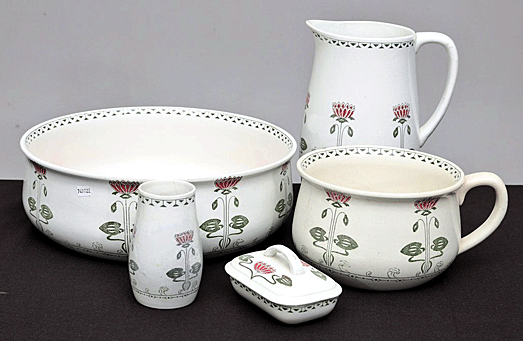
bowls and pitchers, plus their associated accessories, were essential
additions to any washstand in the 19th and early 20th century. Potteries
worldwide produced a variety of wash bowl and pitcher sets for use on
washstands. But because these sets were mostly ceramic, they were prone
to damage. Wash
bowls and pitchers, plus their associated accessories, were essential
additions to any washstand in the 19th and early 20th century. Potteries
worldwide produced a variety of wash bowl and pitcher sets for use on
washstands. But because these sets were mostly ceramic, they were prone
to damage.
For antique wash bowls and pitchers, care must be taken to extend their
shelf life and retain their aesthetic and intrinsic value. It will cost
very little to ensure that these pieces stay in good shape.
To remove loose dust particles, use a clean, soft cloth or a
soft-bristle brush before washing each piece using mild dish detergent.
To remove leftover adhesive or glue from tapes where sellers have marked
prices use alcohol wipes or cotton swabs dipped in rubbing alcohol.
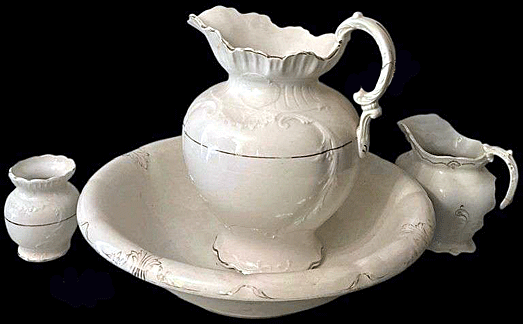
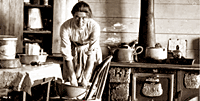
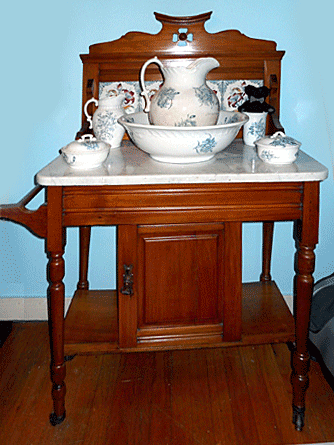 For
washing, it’s best to use a large plastic dishpan that allows enough
space so that each piece can easily be cleaned without being banged
around. Fill it with warm water and add a mild dishwashing detergent.
Then gently scrub the body of your antique piece with a soft sponge
while avoiding any raised patterns. It’s important to use a mild
detergent because the chemicals in strong detergent can dissolve the
paintings on the porcelain ware.. For
washing, it’s best to use a large plastic dishpan that allows enough
space so that each piece can easily be cleaned without being banged
around. Fill it with warm water and add a mild dishwashing detergent.
Then gently scrub the body of your antique piece with a soft sponge
while avoiding any raised patterns. It’s important to use a mild
detergent because the chemicals in strong detergent can dissolve the
paintings on the porcelain ware..
If possible, use a second dishpan to rinse each piece thoroughly in warm
water, then pat each piece dry with a paper towel or a non-shedding soft
towel. Place the pieces in an open space for them to air dry.
Antique washstand sets were made using delicate, breakable materials, so
it’s important to keep them safe and away from the reach of adults or
children. Limited contact means a longer shelf life and prevention of
accidents that may lead to breakage or loss.
Heat is one of the greatest enemies of porcelain and ceramic products as
they can get easily chipped and cracked when exposed to extremely hot
weather conditions. However, fixing these chips should be done by a
ceramic repair specialist. If done right, the chips will become
invisible.
<
Back to Caring for Your Collections
Archives
Next Article > |